

While Stage 2 sleep is important, an overabundance at the expense of other sleep stages can lead to less restorative sleep overall. Glutamate, the brain’s primary excitatory neurotransmitter, is suppressed by alcohol. This suppression contributes to the sedative effect but disrupts the balance needed for normal sleep architecture.
Alcohol’s Effect on Insomnia
This can leave you feeling groggy and tired during the day, making it harder to stay focused and productive. Alcohol-induced insomnia is a common yet often overlooked consequence of regular drinking. This condition manifests in various ways, impacting both sleep onset and maintenance.
1 Alcoholism: Sleep EEG Data
Moreover, these effects can accumulate across nights (Roehrs et al. 2000a). Similarly, a disruption of sleep continuity by auditory stimuli, without reductions in overall sleep time, results in reduced alertness and performance efficiency in healthy people (Roehrs et al. 2000a). This fragmentation of sleep continuity is characterized by increased amounts of stage 1 sleep and brief awakenings. To track this rhythm in humans, researchers tend to use measurements of the core body temperature and of the secretion of the hormone melatonin from the pineal gland in the brain, both of which fluctuate in a typical pattern throughout the day.
- Try swapping out the nightcap for relaxing activities in your nighttime routine, like reading a book, taking a bubble bath or doing yoga before bed.
- One neurotransmitter considered to play an important role in REM sleep is acetylcholine (Bennington and Heller 1995).
- Frontal (but not posterior) N550 and P900 amplitudes were smallerin alcoholics than controls and smaller in men than women, but the sex difference was notrelated to diagnosis.
- Among patients with diagnosed alcohol dependence, the rate of sleep disturbance is higher than the general population.
- The majority of persons with sleep difficulty do not consult their physician with insomnia, which raises the question of how frequently alternative substances are used for sleep (6).
Does alcohol affect sleep? CNN reporter downed a martini and slept in a sleep lab to find out
Binge drinking or excessive alcohol consumption is likely to negatively impact sleep more than light or moderate drinking. Because alcohol’s effects insomnia after drinking vary for each person, even small amounts can worsen sleep quality for some people. The best thing you can do to promote high quality sleep is to maintain your natural sleep cycle. Alcohol disrupts your natural sleep rhythms and sacrifices precious REM sleep. There are several tools that you can use to help you stop drinking alcohol every night and improve the quality of your sleep.
- Drinking alcohol can affect the quality and length of your sleep, leading to sleep disorders — such as insomnia and sleep apnea — in some.
- OSA is recurrent episodes of airway obstruction resulting in disruptions in sleep.
- Arousal thresholds in REM are relatively low, similar to NREM stages 1 or 2.
- Abnormalities in the timing of REM sleep wouldappear to last longer into the abstinence period.
- In this review, we have described our attempts to understand how and where alcohol acts to affect sleep.
Ways Alcohol Disrupts Your Night
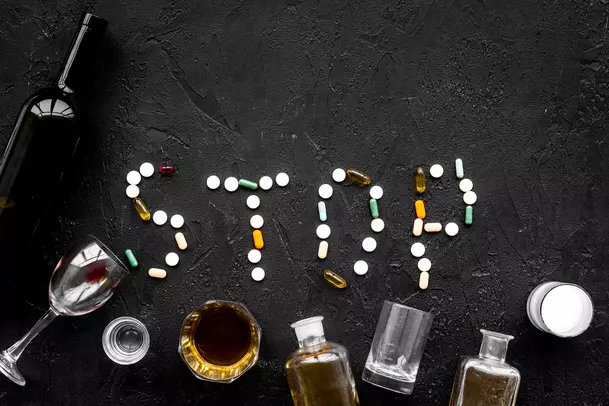
People with alcohol in their systems are also generally harder to wake, which means that they’re less likely to experience “arousals” that help them recover from OSA- and CSA-related pauses in breathing. The publisher does not give any warranty express or implied or make any representation that the contents will be complete or accurate or up to date. The accuracy of any instructions, formulae and drug doses should be independently verified with primary sources. The publisher shall not be liable for any loss, actions, claims, proceedings, demand or costs or damages whatsoever or howsoever caused arising directly or indirectly in connection with or arising out of the use of this material. Use these tips to ensure your favorite cocktail never keeps you up at night.
Health Conditions

Alcohol interferes with the brain’s ability to receive chemical messages involved in breathing, which decreases the body’s respiratory drive and increases the likelihood of pauses in breathing. For people who snore or who have sleep apnea—a disorder that causes repeated pauses in breathing during sleep—drinking alcohol tends to aggravate symptoms. Non-pharmacological therapies, such as muscle relaxation, biofeedback, cognitive therapy, stimulus control, acupuncture, yoga, meditation, sleep restrictive therapies, and sleep hygiene techniques, should be considered first (4). Removing stimulant use six hours prior to sleep, and avoiding late meals and naps are simple advice that may be helpful. In progressive relaxation therapy, training muscle tension and breathing are used to create a restful state. Greeff and Conradie reported that 10 sessions of progressive relaxation training in 11 alcoholic men with insomnia showed significant improvement in self-reported sleep quality (79).
Sleep homeostasis
Like nearly all of the body’s organs, the liver functions according to circadian rhythms. Alcohol interferes with these circadian rhythms regulating the liver, and can contribute to compromised liver function, liver toxicity, and disease. SWS was drug addiction treatment significantly increased over baseline on the first drinking night in thePrinz et al. (1980) and Feige et al. (2006) (0.10% BAC dose) studies but not inthe Feige et al. (2006) (0.03% BAC dose) orRundell et al. (1972) studies.
Some people may find they can’t sleep after drinking or their sleep quality suffers, and the science backs up this reality. While alcohol can make it easier to fall asleep and stay asleep for a few hours, it’s important to note that alcohol’s sedative effect wears off during the night. Still, you may think drinking before bed is a good idea if you have trouble relaxing and falling asleep. Some people may assume alcohol is helpful for sleep, since it has a relaxing, soporific effect. Consuming alcohol can help a person fall asleep because alcohol is a depressant. As alcohol enters the bloodstream, it introduces chloride ions to neurons, slowing the neurons’ firing.

Typically, an adult needs seven to eight hours of quality sleep at night, though every person is different. In addition to getting a sufficient number of hours of sleep, it’s also essential to maintain a regular sleep schedule. The connection between alcohol use disorders (AUD) and insomnia is both complex and bidirectional. Understanding this relationship is crucial for effective treatment of both conditions. Alcohol tends to increase the amount of time spent in this stage of sleep, particularly in the first half of the night.
Perhaps surprisingly, it found that alcohol affected the sleep of https://ecosoberhouse.com/ younger people more than it did older adults. Among both men and women, depression symptoms and anxiety symptoms were significantly correlated with increased PSQI-K values. In this study, we found that anxiety symptoms were more strongly correlated with PSQI-K values than depression symptoms and that women showed greater correlation between PSQI-K values and anxiety or depression symptoms as compared to men. Subjects who reported that they exercised 3 times or more per week were defined as regular exercisers. Our circadian rhythm is sometimes called our “biological clock”—the process that regulates the way our bodies function during each 24-hour daily cycle. That’s because alcohol interferes with the ability to stay asleep and to get high-quality, deep sleep.